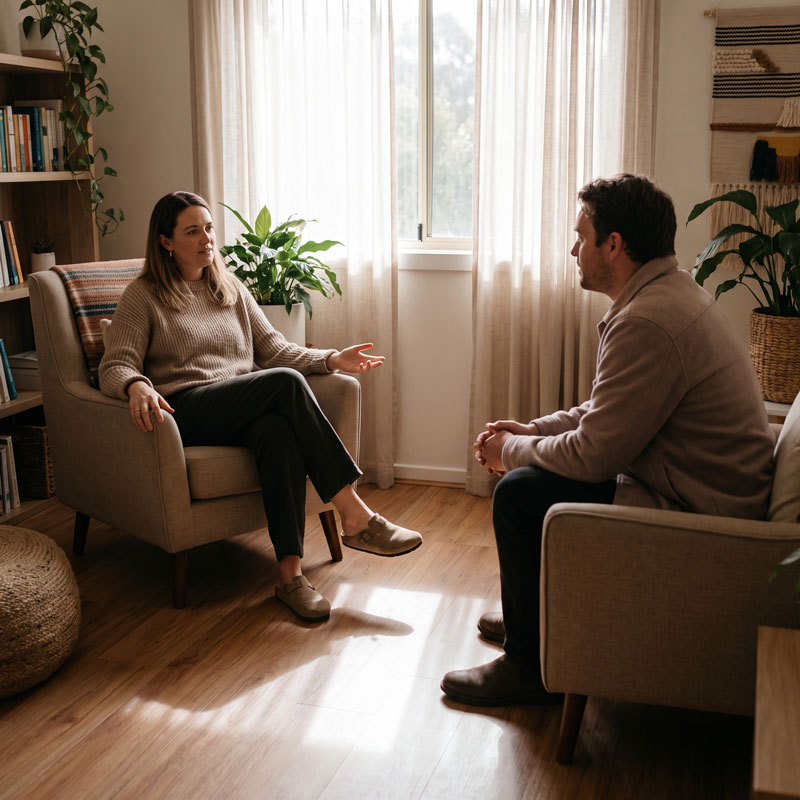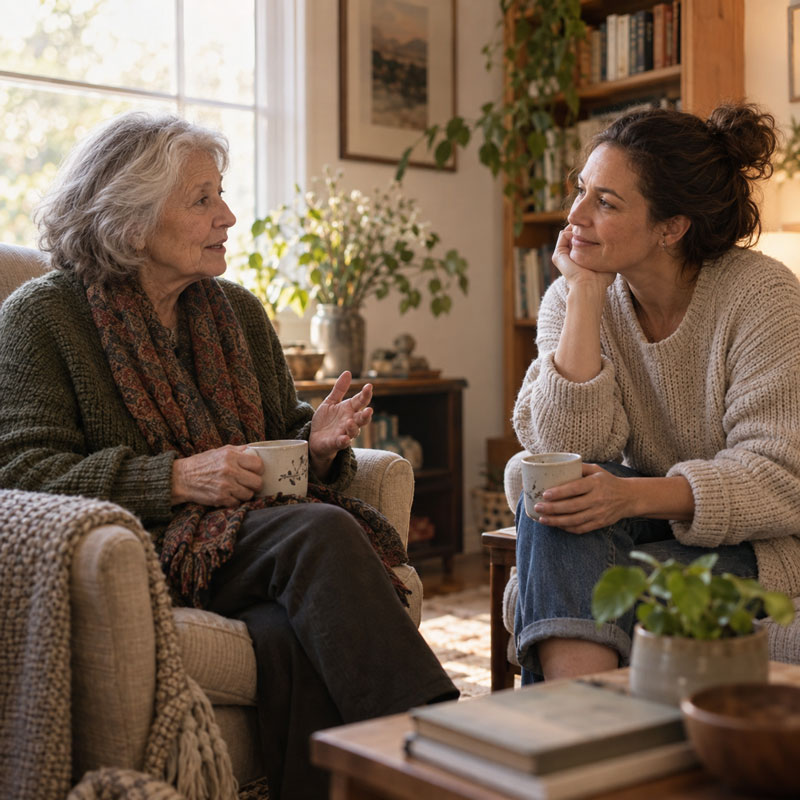
Most counsellors are naturally empathetic people. They notice the emotion behind the words, sense when something has changed in a client’s tone or body language, and can often understand feelings that have not yet been spoken.
The first world existed before they were born and will continue long after they are gone. It is the world of history, culture, economics, politics, geography, and nature. It is the world that shapes us before we are even aware of it. We do not choose the family we are born into, the era in which we live, the language we first speak, or many of the circumstances that define our early lives. This world is vast, enduring, and largely beyond our control.
Life seems unfair. Bad things happen to good people and good things happen to bad people. It doesn’t make sense.
Reality is, life isn’t a simple system of moral accounting. Chance, timing, societal structures, and luck often play a bigger role in outcomes than whether someone is “good” or “bad.”
Global conflict, political volatility, and extreme weather events have been leaving many people feeling anxious, overwhelmed. even disoriented.
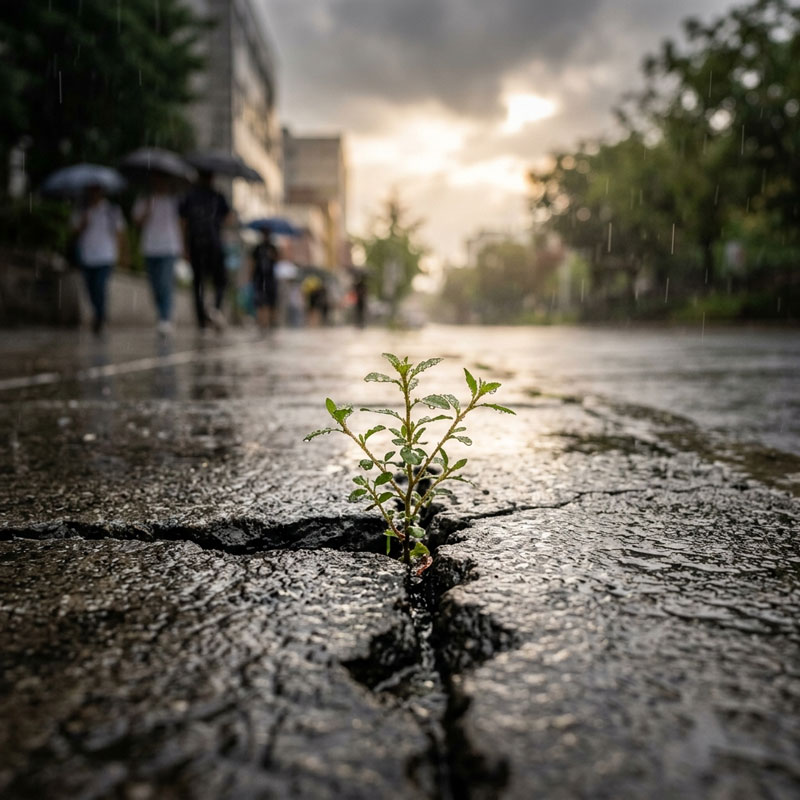
At these times the question becomes: how do you stay grounded when everything around you feels out of control?
The answer isn’t to ignore reality or pretend everything is fine. The secret is to anchor yourself internally, even when the external world is unpredictable.
Autism, or Autism Spectrum Disorder (ASD), is a lifelong neurodevelopmental difference that affects how a person experiences the world, communicates, processes information and relates to others. Autism is not an illness or something that needs to be “fixed.” Rather, it reflects the natural diversity of human minds — often referred to as neurodiversity.
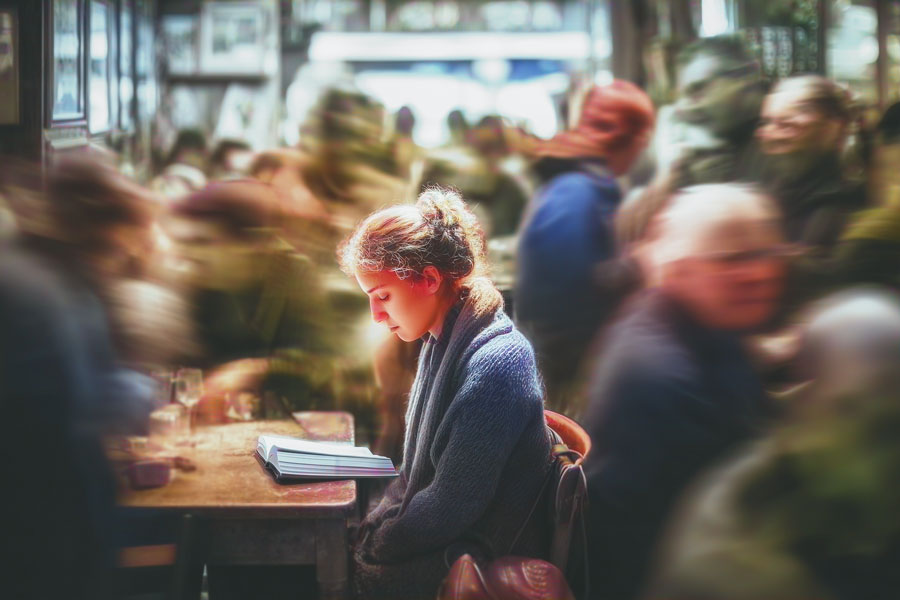
Loneliness and solitude are excellent examples of emotional states that are often misunderstood, yet deeply affect our well-being.
In today’s interconnected, media-saturated world, many people feel like they're living in a time of chaos. War zones dominate headlines. Violent crimes, mass shootings, political instability, economic uncertainty, and climate-related disasters bombard us through screens. Even within our communities, increases in family violence, substance abuse, and social fragmentation further fuel a sense of danger and instability.
Petersgate doesn’t just provide counselling services for mental health. Our counsellors also focus on the person's physical health, their social health and their spiritual health. That's because we recognise that well-being is not simply the absence of illness but a balanced and interconnected state across multiple aspects of a person’s life.
Research and observations have consistently shown that women and men approach seeking emotional or practical support for mental health challenges in distinctly different ways.
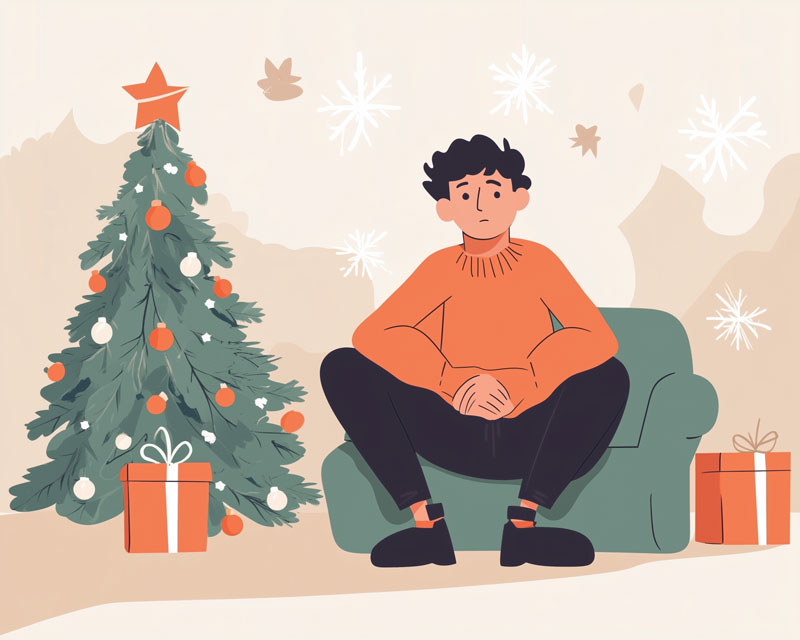
For many, Christmas is a time of joy, togetherness, and celebration. Yet, beneath the festive decorations and cheerful gatherings, this season can be one of the most stressful periods of the year, with a range of stressors that can intensify mental health challenges. From financial strain to social expectations, holiday stress can lead to feelings of overwhelm, anxiety, and even depression. Recognizing these stressors and understanding ways to manage them can help preserve mental well-being through the holiday season.
Contrary to popular belief, age alone is not a determinant of poor mental health. While it's true that certain mental health conditions become more prevalent with age, such as dementia and depression, they are not synonymous with aging itself. Numerous factors contribute to mental health outcomes in older adults, including biological, psychological, and social factors.
The temperatures are dropping, and the days are getting shorter and shorter. This is the time many of us start grappling with the winter blues. The change in seasons can have a profound effect on our mental health, leading to feelings of fatigue, low mood, and even seasonal affective disorder (SAD). With the right strategies and mindset however, it's possible to prepare your mental health for winter and emerge from the colder months feeling refreshed and rejuvenated.